AI Roleplay

New reps stop learning on your live deals.

They rehearse the hard conversation on a voice call with a buyer built from the whole deal: your CRM, the recorded calls, and what changed since you last spoke. Then you get evidence of whether it worked.
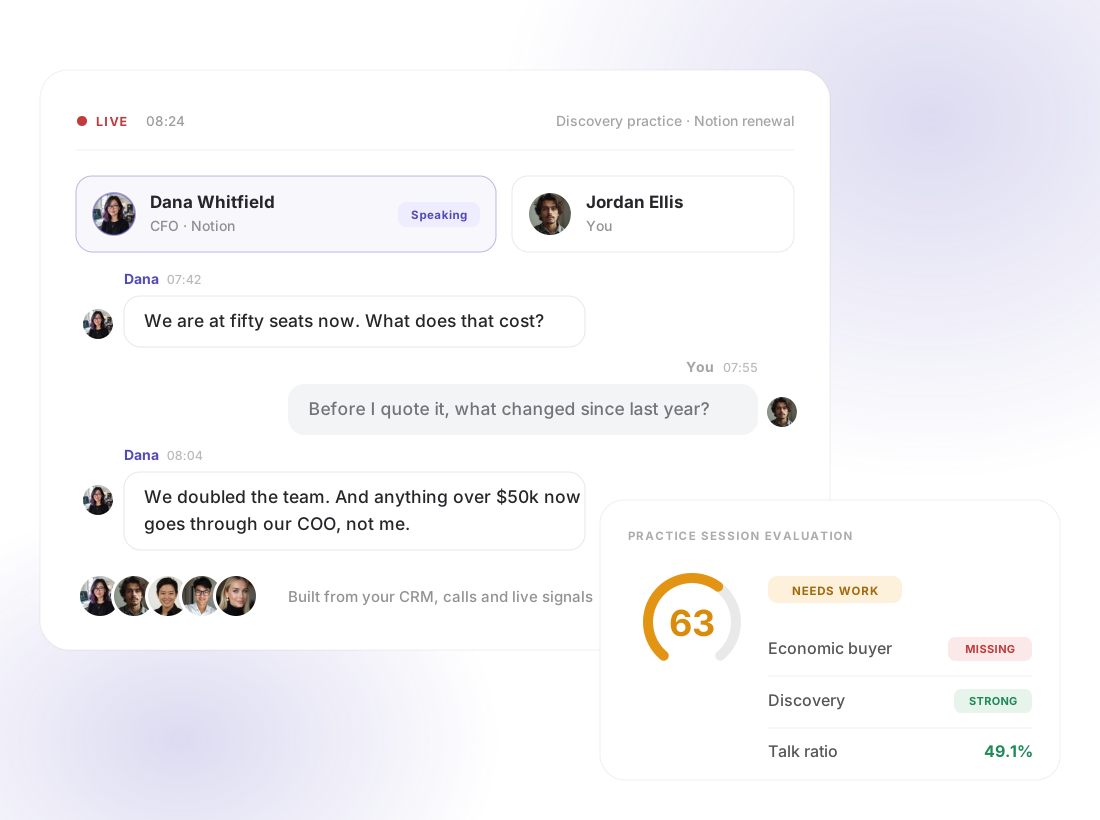
A live roleplay call with an AI buyer who pushes back, and the scored evaluation it produces.
A real conversation
Live voice. The buyer interrupts, pushes back and goes off script.
Built from your deal
The account, the call history, the objections already raised, the competitor in the room.
One rubric
Practice and real calls scored the same way, so you can compare them.

Practice on the deal they're about to walk into

A generic mock buyer teaches generic answers. Build the bot from a contact on a live deal and it arrives knowing the account, the stage, what was said on the last three calls and who else is being evaluated, and it will bring those things up.
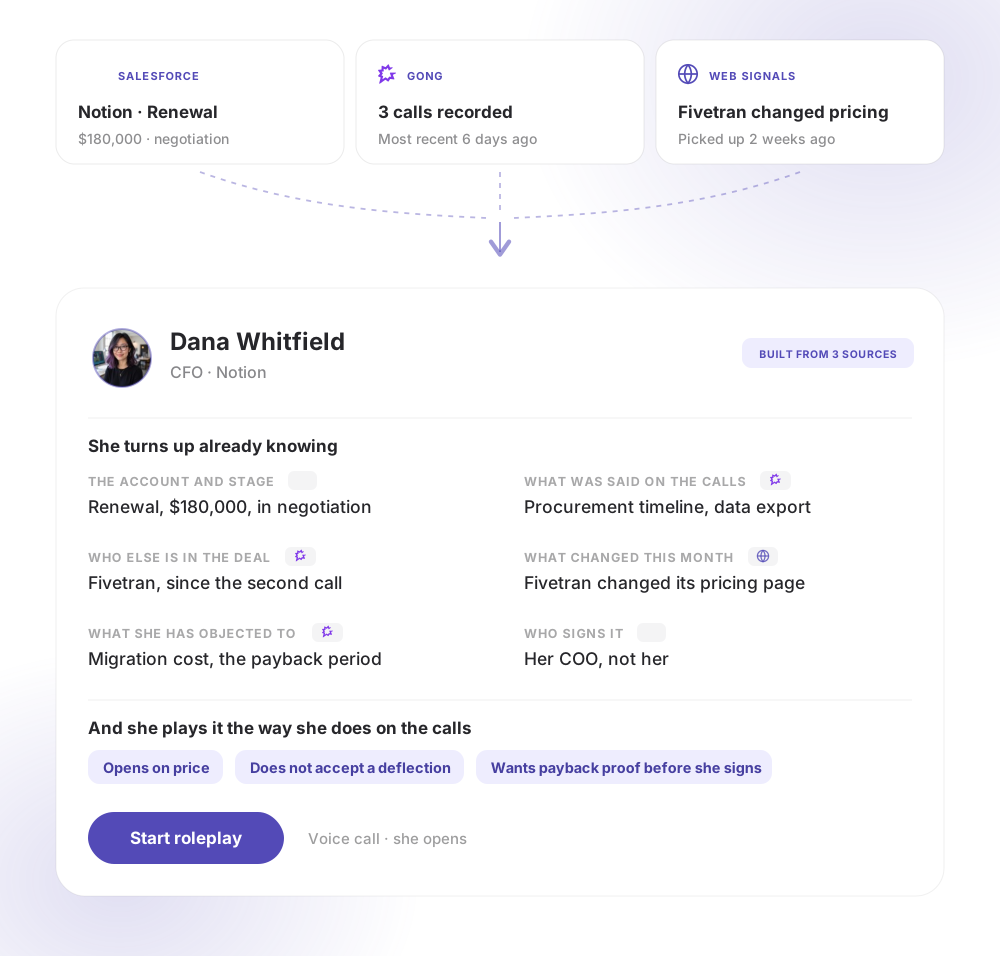
A roleplay buyer built from three sources: the CRM record, the recorded calls and public web signals.

Rehearse the conversation that actually loses deals

Deals are rarely lost one-on-one with a friendly champion. They are lost in a room where the CFO wants ROI, the champion wants speed, and satisfying one costs you the other. That is the call worth practising.
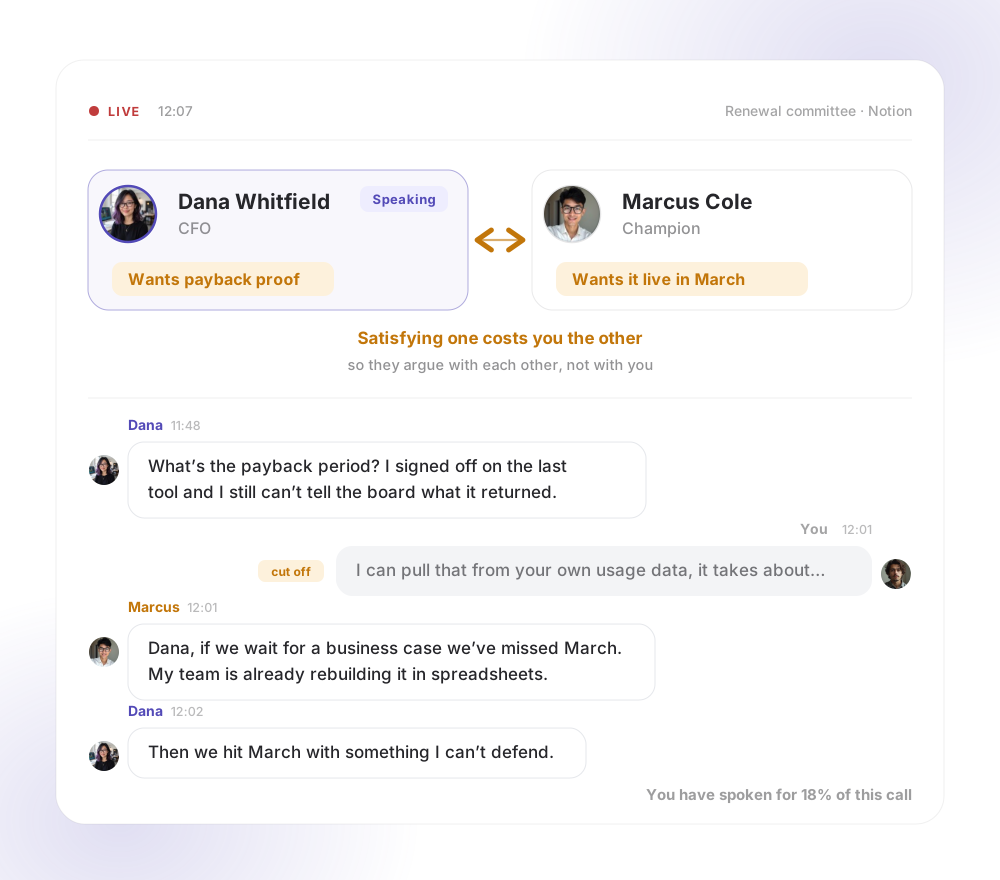
A multi-stakeholder roleplay where the CFO wants payback proof and the champion wants speed, and satisfying one costs you the other.

Know whether the coaching actually worked

Most training ends with an attendance list. Because practice and real customer calls are scored on one rubric, you can put a rep's practice scores next to their real ones and see whether anything transferred.
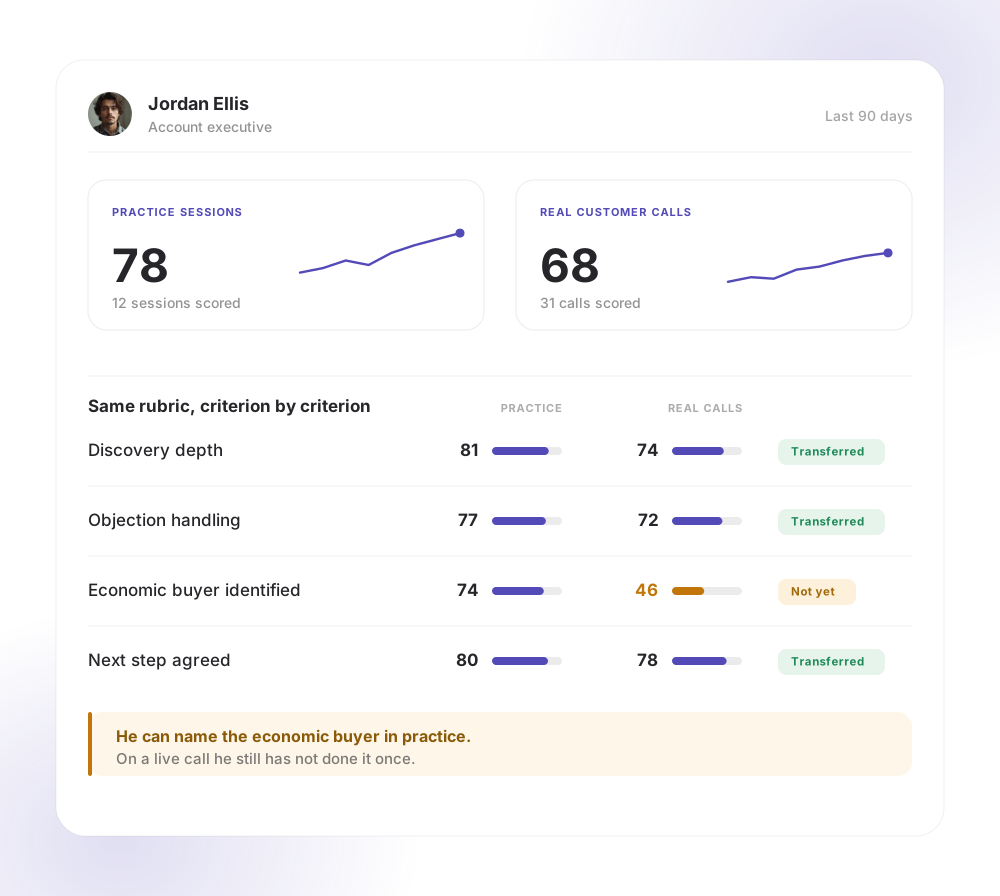
A rep's practice scores beside their real call scores on the same rubric, showing which coaching transferred and which did not.
FAQ

Frequently asked questions

Is this a chat simulation or an actual call?+

A live voice conversation. The buyer interrupts, talks over you and changes the subject, and handling that is part of what's scored. If the scenario is a demo you can share your screen, and the share is recorded into the replay, so a manager sees which screen the rep opened first, not just a note that the demo wasn't tailored.

Can we practice with a whole buying committee?+

Yes, and it's the most valuable scenario. A session can run as a room with several buyers, each carrying their role in the deal rather than just a job title. The rep has to answer the CFO's ROI question without losing the champion who wants speed, and handle the two of them disagreeing. That's the skill that loses deals.

Won't reps just learn to game the score?+

That's exactly what comparing practice against real calls is for. A rep whose practice scores climb while their real-call scores stay flat is learning to pass the bot, and you'll see it. It's also why we'd advise against tying compensation to roleplay scores. The moment the score is money, reps optimise for the bot rather than the buyer.

Our reps will find this awkward.+

The first one is awkward for everybody, so don't make a rep's first session a group exercise. Two practical things matter more than they sound: a wired headset, and somewhere they can talk out loud. A rep whispering in an open-plan office gets scored on a performance they didn't give.

What does a manager actually do with a score?+

Pick one dimension: the lowest, or the one that matters for the next real call. Play the moment the evidence points at and let the rep hear it. Ask what they'd do differently before telling them. Then re-run the same scenario with the same buyer and rubric so the comparison is real.

How much of a rep's week does this take?+

Less than people expect. Five focused minutes on one objection beats a half-hour call that wanders, and the scoring is built for that. What works is a short session before a real meeting that matters, not a training block once a quarter.

Try one call yourself.

Four minutes against a buyer built from one of your own deals. It will change how you coach.