Win/Loss Interviews

Stop guessing why you lost.

Price is what buyers say to end a conversation politely. Voice AI asks them properly, and asks your rep separately.
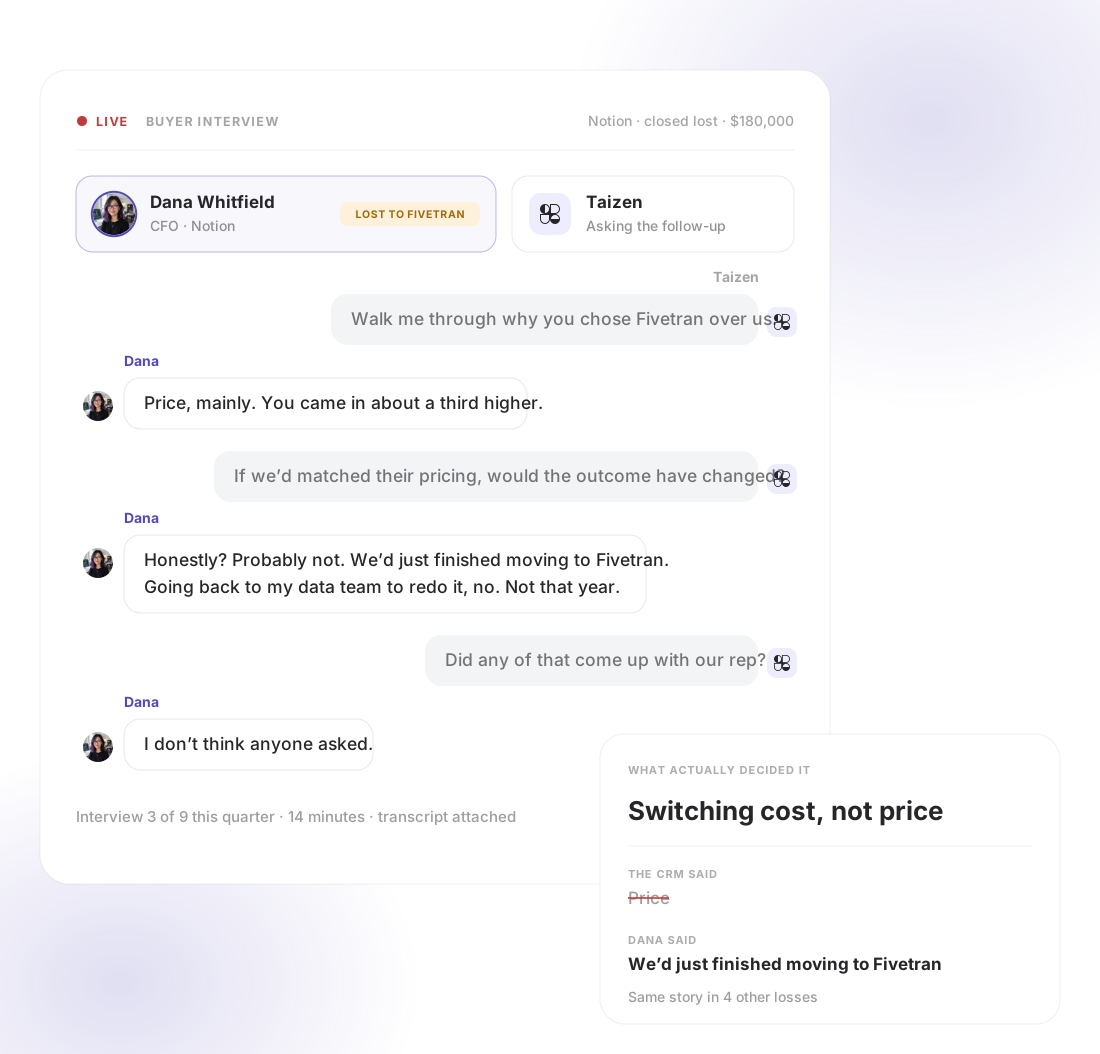
A voice interview with a buyer who chose a competitor: the buyer offers price as the reason, a counterfactual question shows price was not decisive, and the verdict card contrasts the logged reason with what the interview found.
Both sides, every deal
The buyer who decided, your rep, and sellers who carried a competitor's product.
Runs itself
Continuously off your CRM, at a volume a quarterly program never reaches.
Ends in something usable
A battlecard update and a drill, not a slide in next quarter's review.

Find out what actually decided it

Your rep's version and the buyer's are rarely the same story. The gap between them names the thing to fix.
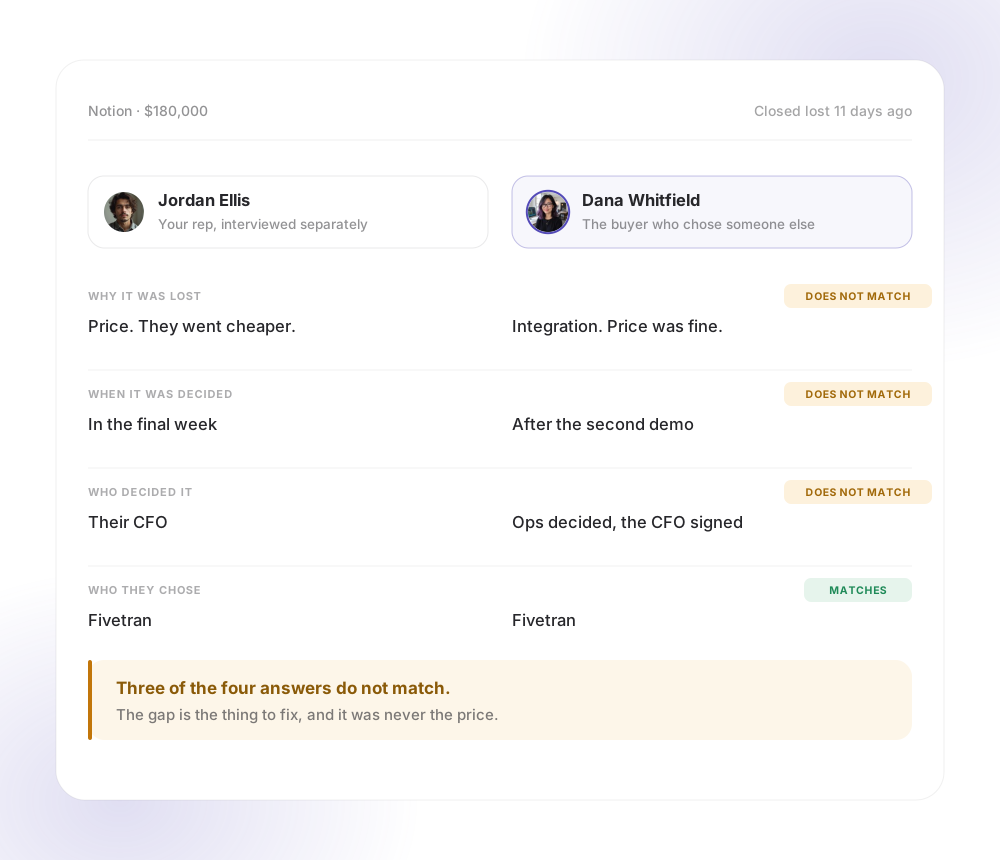
The rep's account of a lost deal beside the buyer's, showing that three of the four answers do not match.

Stop losing the same deal twice

Most win/loss programs end in a document. This one ends in two things that change the next deal, neither of which you assemble yourself.
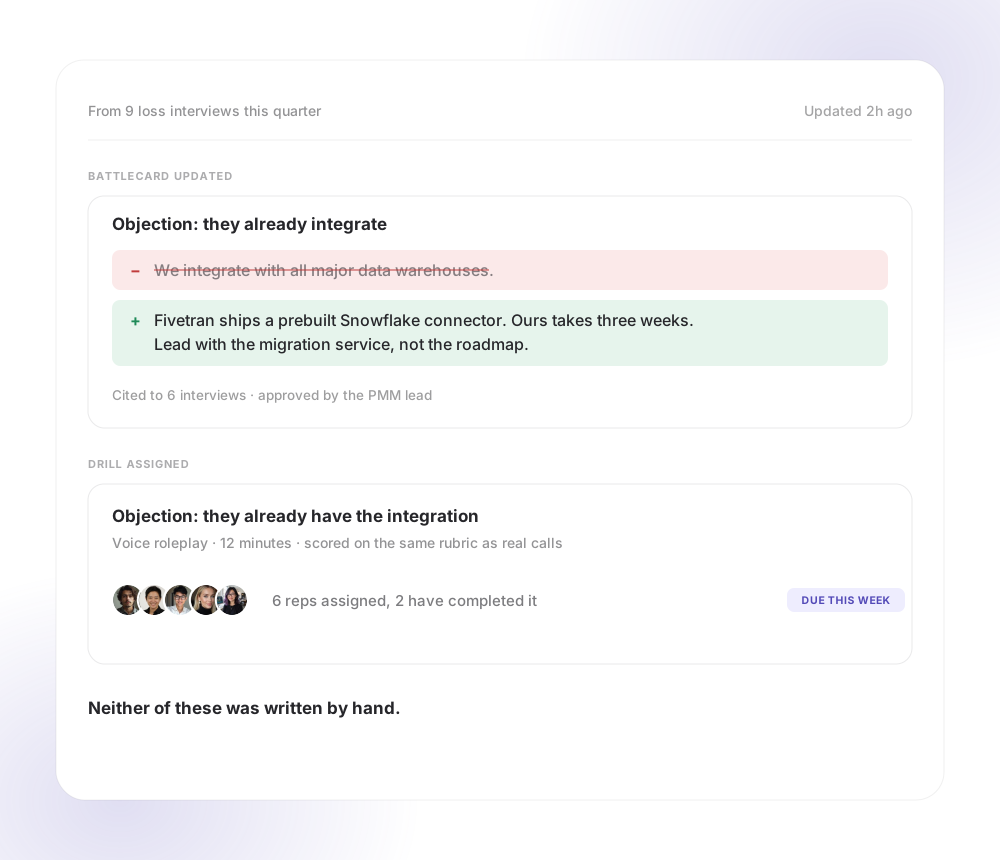
The two things a loss interview produces: an edited battlecard line and a roleplay drill assigned to the team.

Hear what your competitor's reps say about you

Their website tells you what changed. Sellers who used to carry their product tell you what they say about you when you're not in the room.
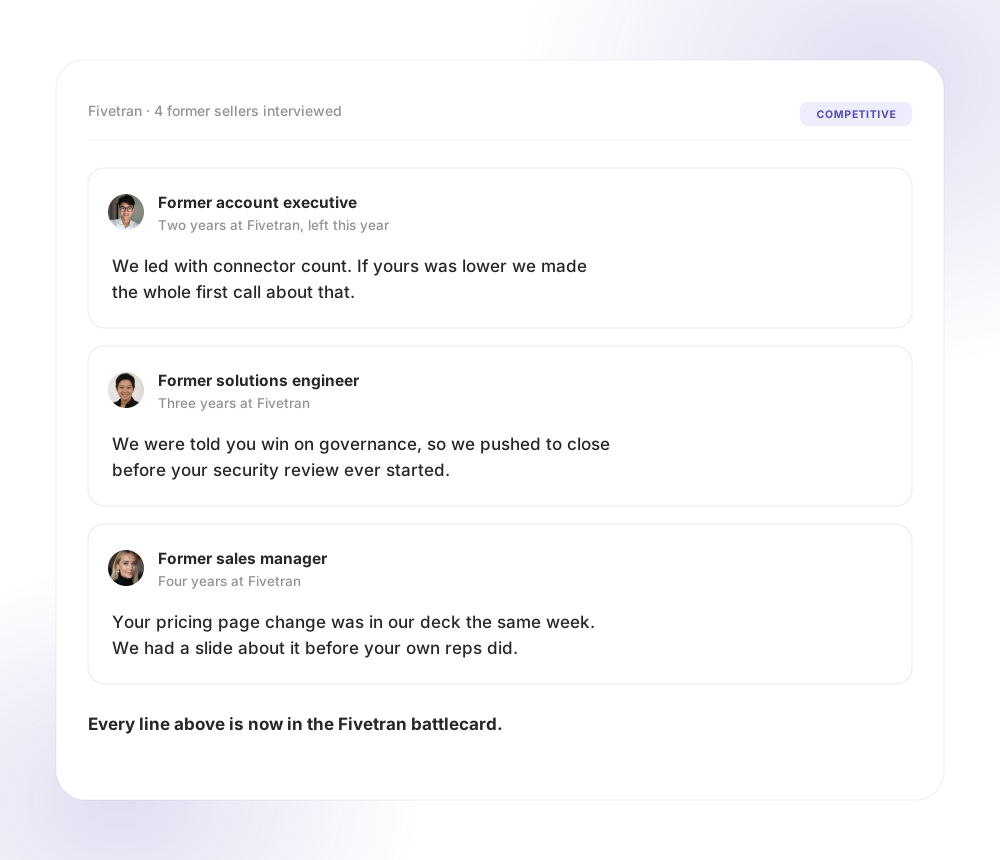
Interviews with former sellers of a competitor, describing what they were coached to say about you.
FAQ

Frequently asked questions

Why would a buyer be candid with an AI?+

Because there's nothing to manage. No relationship to protect, no follow-up pitch coming, and nobody's feelings in the room. The interviewer also probes past the first answer, which is where the real reason usually is. The first answer is almost always "price" and almost never actually price.

Does the buyer know they're talking to an AI?+

Yes. It says so in its first sentence, every time. Some people would rather answer in writing, and that's handled too, feeding the same battlecards and drills. If someone would rather speak to a person, your team can take over at any point and the interview continues in the same record.

Who should we actually interview?+

The person who decided, not the person who liked you. The champion who advocated for you will tell you a comfortable story; the economic buyer who signed with someone else will tell you the real one. For competitive losses, both is better: the champion explains what went wrong internally, the decision maker explains what won.

How many deals should go into this?+

Start with closed-lost above a deal-size threshold, competitive losses first, and sample your wins. Set the threshold high enough that a human reads every interview. A program producing more interviews than anyone reads has the same value as no program.

Does someone have to remember to run these?+

No. It runs continuously off your CRM: when a deal over your threshold is marked lost, the buyer interview and the rep interview queue themselves, and when both are done you get the comparison. Fifteen minutes a week clears the queue while volume is low.

What if the buyer says something we don't want to hear?+

You'll hear it. And when an interview doesn't reach a conclusion, the system says so rather than inventing a reason. Two or three of those in a row usually means your outreach is reaching the champion instead of the person who decided.

Start with your last ten losses.

We ask the buyers who chose someone else, and the reps who lost. You get the real reason, an updated battlecard, and a drill.